Nationwide EV Charger Installation for Homes & Businesses
EV Charger Installers USA helps homeowners, drivers, property managers and businesses understand their charging options and connect with local licensed installers across 15 major metro areas: Los Angeles, Houston, Phoenix, Atlanta, Miami, Dallas, Austin, Seattle, Denver, San Diego, Chicago, Las Vegas, Charlotte, Tampa and Portland. Whether you have just brought home your first electric vehicle, you are adding charging for a second vehicle, or you manage a workplace, apartment community or fleet location, this site brings the key information together in one place so you can make a clear, informed decision before work begins.
Charging at home or at your property changes the ownership experience. Instead of planning your week around public charging stops, you can start most days with a charge that fits your driving, charge overnight when it is convenient, and keep your vehicle ready for commuting, school runs, deliveries and longer trips. Getting there starts with the right charger, the right location, and an installation that matches your electrical system, your local permit requirements and the way you actually use your vehicle.
Use this homepage as your starting point. Explore the six core services explained below, learn the difference between Level 1 and Level 2 charging, understand why permits and inspection matter, and then choose your city to see local information for your area. When you are ready, use the Call Now option to be connected with an installer serving your metro who can review your project and discuss next steps for your specific home or property.
Coverage on this site focuses on Los Angeles, Houston, Phoenix, Atlanta, Miami, Dallas, Austin, Seattle, Denver, San Diego, Chicago, Las Vegas, Charlotte, Tampa and Portland. If you are in the Orlando, Florida area, you can also visit our dedicated sister site, EV Charger Installation in Orlando, FL, which covers that city in depth as a separate local resource.
What This Site Does: Information and Local Installer Connections in One Place
EV Charger Installers USA is an information and connection service, not a single installation crew that travels the country. We research how EV charging installation works in each metro we cover, explain the services homeowners and businesses ask about most, and help you connect with a local installer who works in your area. That local focus matters because electrical codes, permit offices, utility programs, inspection steps and even garage and outdoor installation considerations vary from city to city and state to state.
Many people begin their search with a simple question: can I charge at home, and what will it take to do it properly? The answer depends on several practical factors. Where do you park? How far do you drive on a typical day? What electrical capacity does your home have today? Do you own your home, rent it, or manage it for others? Do local rules require a permit for a new circuit, and does your utility offer a program you should know about before you choose equipment? This site is organized to help you work through those questions in order, without jumping straight to equipment or a sales pitch.
When you choose your city and reach out, the goal is a conversation grounded in your real project. A local installer can ask about your panel, your parking layout and your vehicle, review photos or visit the property when needed, explain what permits or utility steps may apply in your jurisdiction, and outline an installation plan that fits your situation. You stay in control of the decision at every stage, with the chance to ask questions about charger placement, cable reach, indoor versus outdoor mounting, load management and future needs such as a second vehicle.
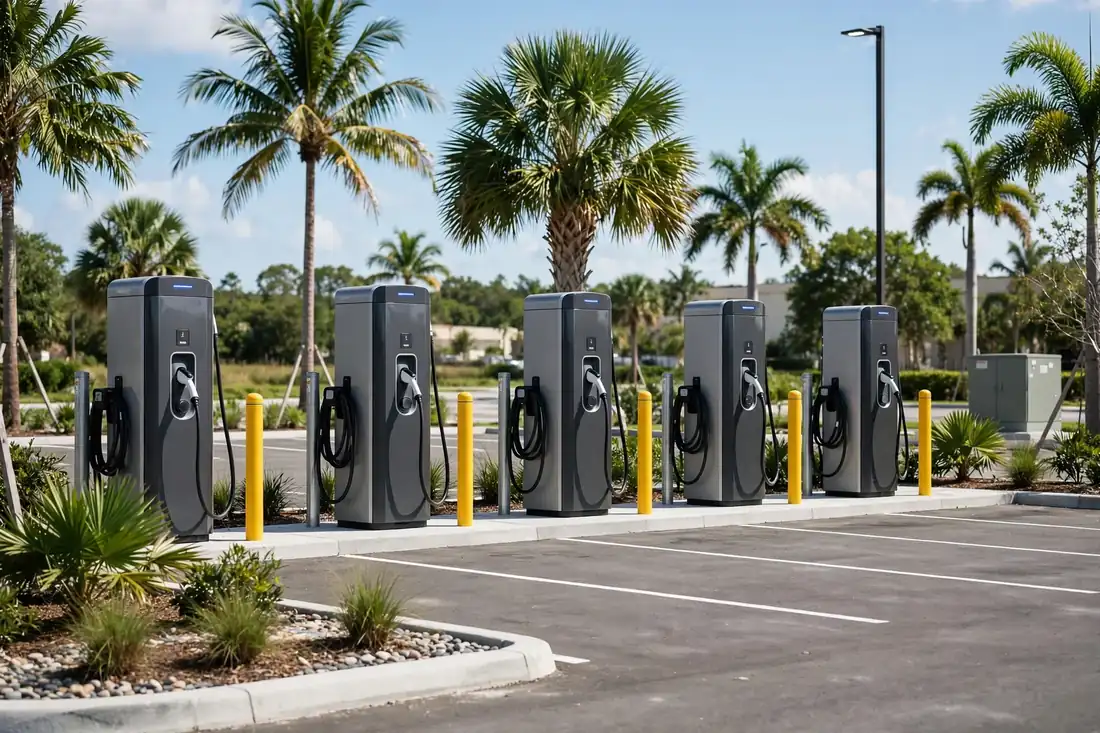
This approach also helps businesses and property managers. Commercial charging involves different planning than a single-family garage: how many drivers will use the chargers, how long vehicles stay parked, whether access should be open or restricted, how electrical capacity is shared across multiple ports, and how the installation will be maintained over time. By separating home, commercial, repair and panel upgrade information into clear service areas, the site makes it easier to start with the right conversation for your type of property.
The Six Core Services Explained
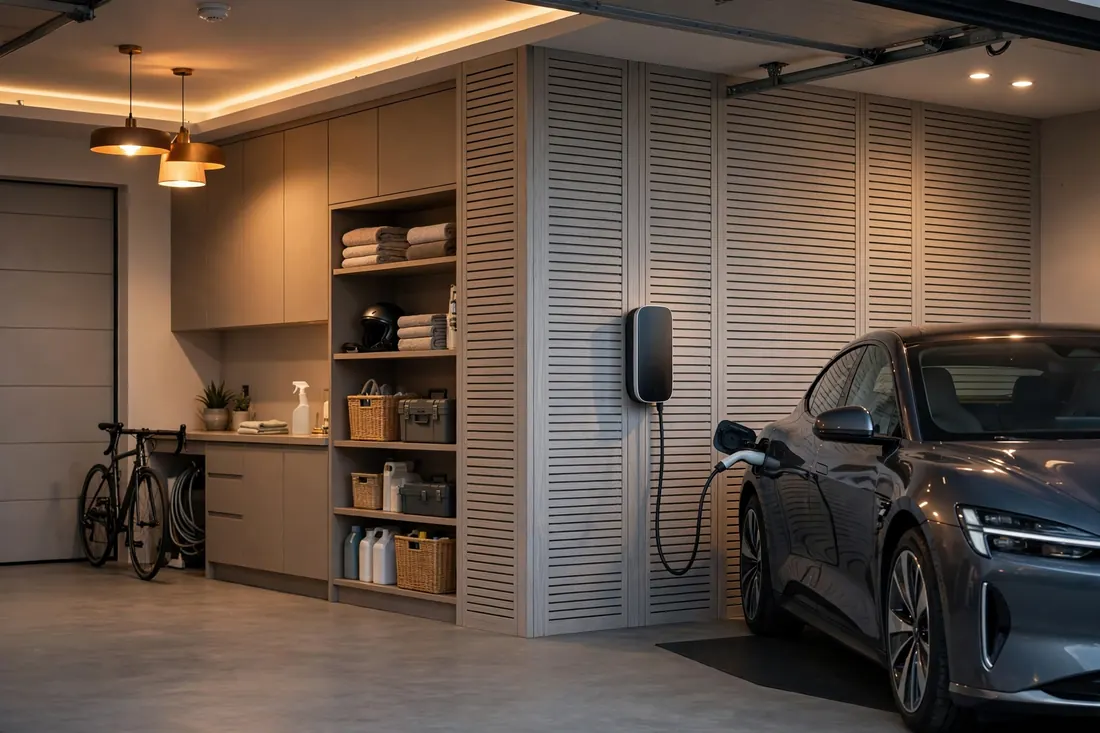
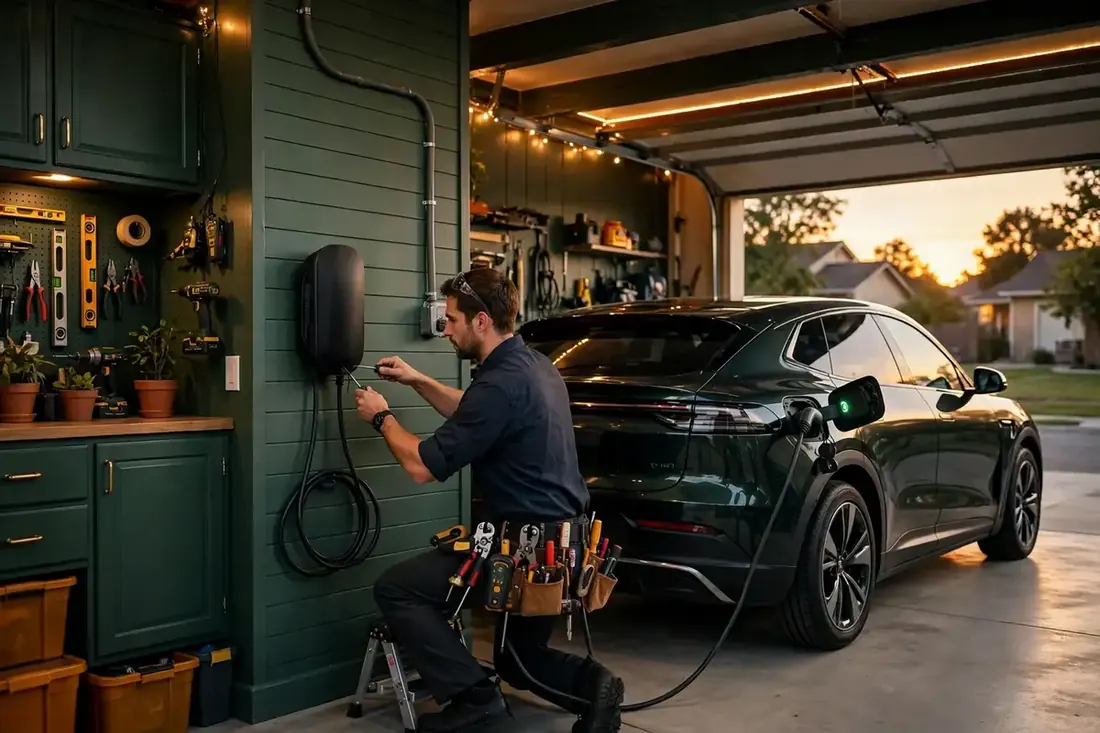
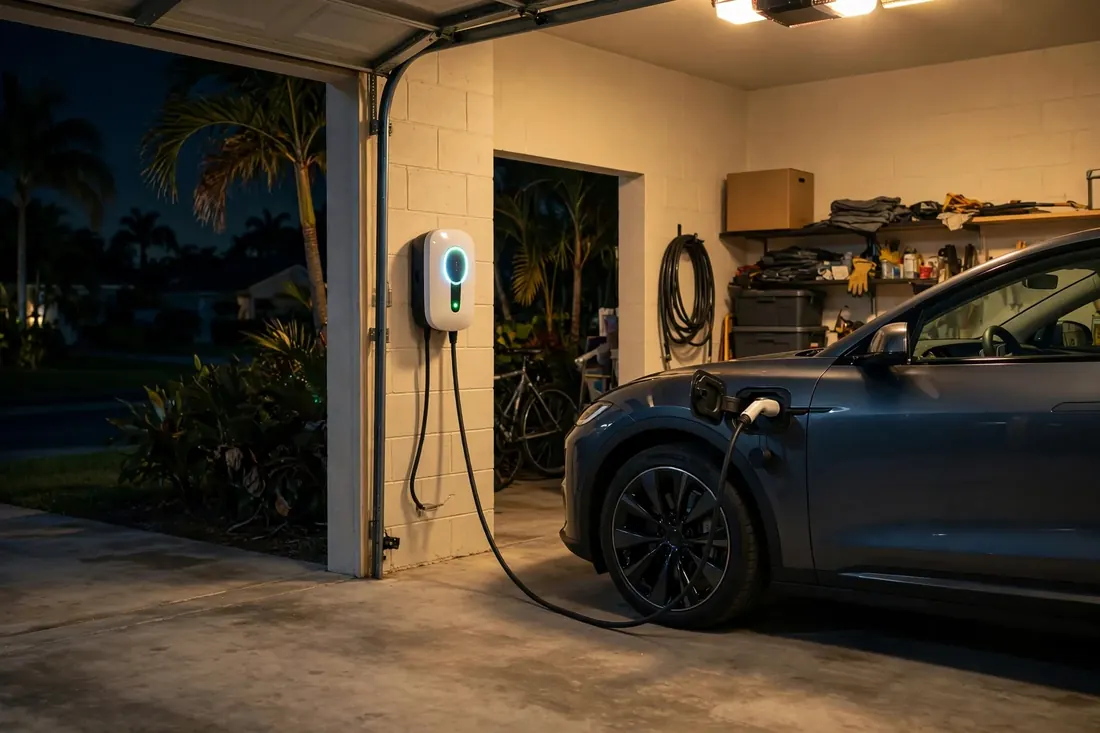
1. Home EV Charger Installation. This is the starting point for most drivers. A home installation typically involves selecting a charger suited to your vehicle and driving pattern, choosing a mounting location in a garage, carport or driveway, running a dedicated circuit from your electrical panel to that location, mounting and configuring the charger, and testing the setup so you can charge with confidence. A good home plan also considers cable length, weather exposure if the charger is outdoors, Wi-Fi connectivity if your charger uses an app, and whether you want room to grow for a future vehicle.
2. Level 2 Charger Installation. Level 2 is the most common choice for regular home charging because it charges substantially faster than a standard household outlet. It uses a higher-voltage circuit, similar in concept to the circuit used by large household appliances, and it requires careful sizing based on the charger and your available electrical capacity. For many drivers, Level 2 means an overnight charge can comfortably cover daily driving, and a few hours plugged in can add meaningful range for the next day. Your installer can explain charging speed in terms of your actual commute and routine, not just technical specifications.
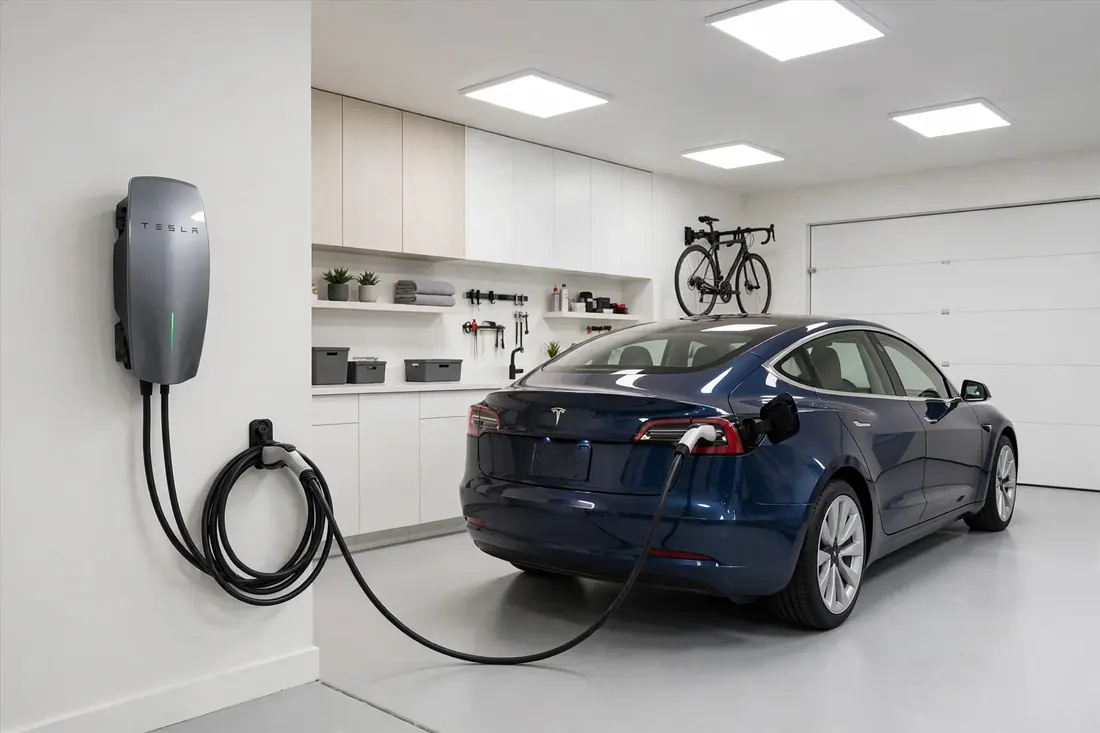
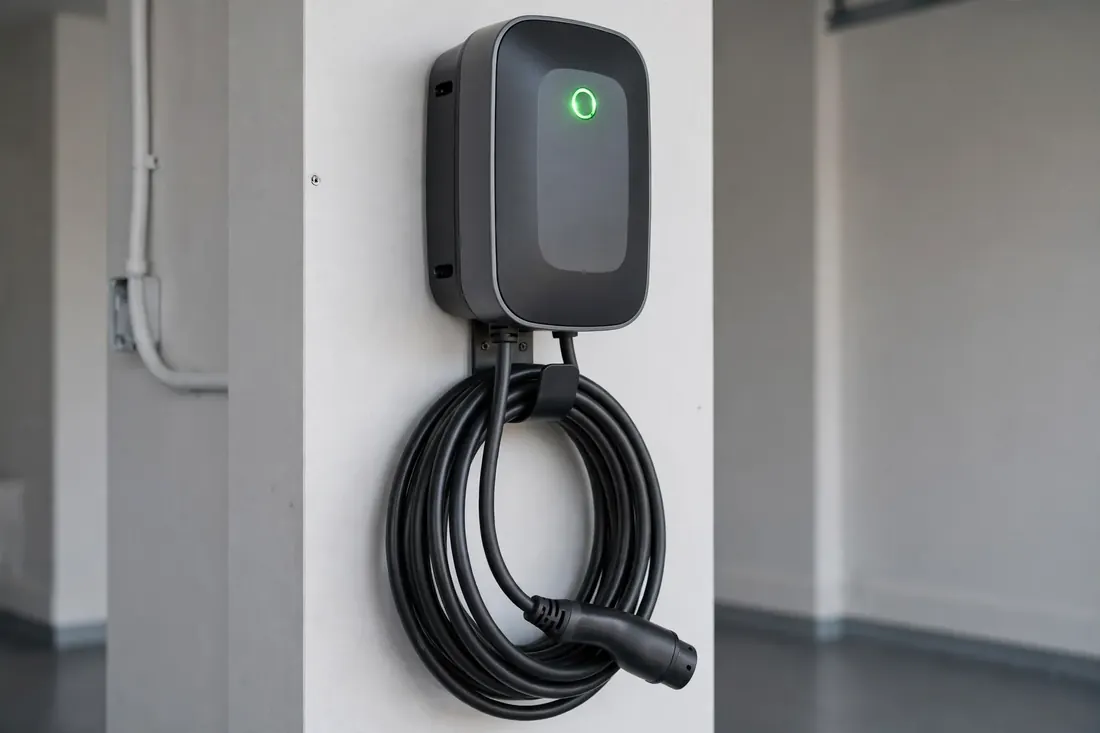
3. Wall Connector Installation. Wall-mounted charging units are a popular fit for garages and structured parking because they keep the charger fixed in one convenient place, keep cables organized, and make daily plugging in simple. Installation includes secure mounting, the correct circuit and protection, configuration of the unit settings, and in some homes, power-sharing or load management when more than one vehicle charges in the same location. If you park in the same spot each night, a wall-mounted setup often becomes the most natural part of your routine.
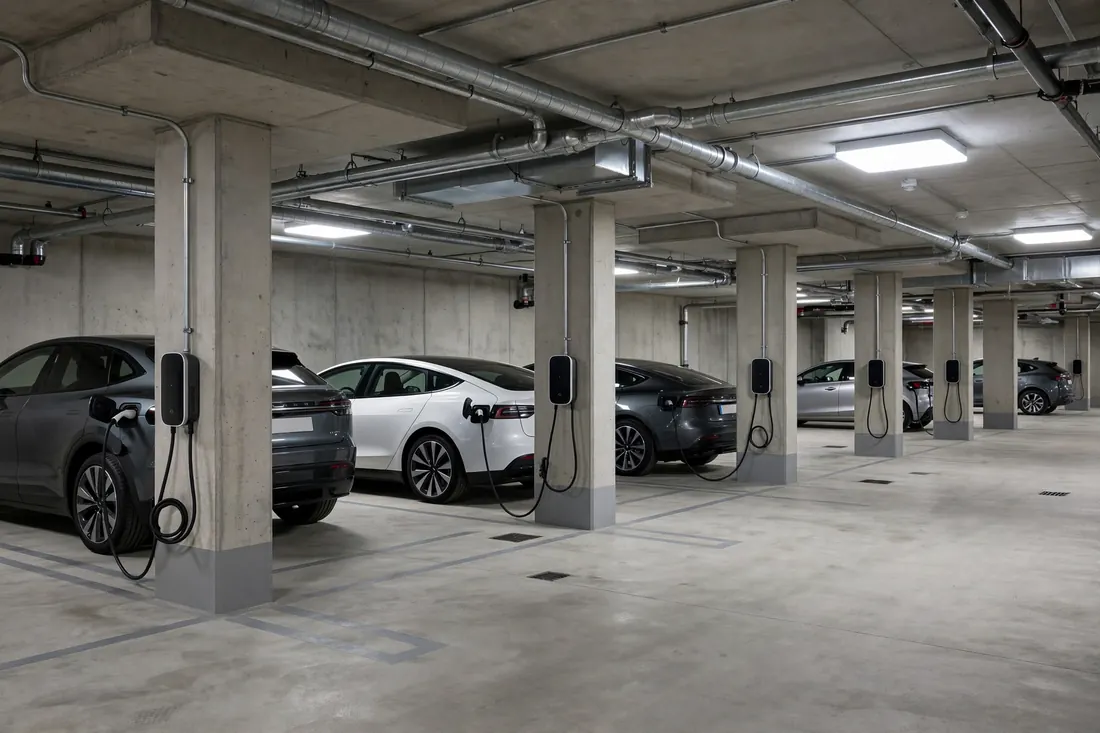
4. Commercial EV Charging Station Installation. Businesses, workplaces, multifamily properties, hotels, retail locations and fleet operators plan charging differently. Commercial projects may involve multiple charging ports, shared electrical capacity, access controls, networked management, parking layout and signage, accessibility considerations, and phased expansion as demand grows. Early planning is especially important for commercial sites because electrical capacity, trenching or conduit runs, and local permitting can shape the design. This site helps commercial readers understand those planning steps so early conversations with a local installer are more productive.
5. EV Charger Repair and Replacement. Chargers, cables, connectors and mounting hardware work hard over years of daily use, weather and handling. Common reasons people seek help include a charger that stops starting a session, intermittent charging, a damaged cable or connector, fault indications, connectivity problems, or a unit that was installed for a previous vehicle and no longer fits current needs. A local installer can help diagnose whether the issue is with the charger itself, the circuit, the configuration or the vehicle settings, and can advise whether repair, reconfiguration or replacement makes the most practical sense for your situation.
6. Electrical Panel Upgrades for EV Charging. Adding a charger adds electrical load, and not every panel has spare capacity for a new high-demand circuit. Older homes, homes that have already added major appliances, air conditioning, hot tubs, workshops or accessory units, and properties planning for two chargers may need a panel upgrade, a subpanel, or a load management solution before or alongside charger installation. Treating panel capacity as part of the charging plan from the start helps avoid delays and ensures the installation is designed as one coherent electrical project, not as an afterthought.

Our EV Charger Installation Services
How Choosing a City Works on This Site
This is a nationwide data site, which means the homepage gives you the full picture and the city pages give you the local detail. Start here to understand the services and the process, then go to your city page for information researched for that metro: the local utility context, the permit and inspection steps that commonly apply there, climate and housing considerations that affect installation, and the questions drivers in that area ask most often.
Choosing a city is simple. Find your metro among the 15 covered areas, review the local page, and use the contact options on that page when you are ready to discuss your project. Because installers, permit offices and utility programs are local, starting from the correct city helps ensure the follow-up conversation is relevant from the first call. A homeowner in Phoenix dealing with summer garage heat and a homeowner in Seattle planning an outdoor driveway charger face different practical questions, even if they choose a similar Level 2 charger. Local pages are written to reflect those differences rather than repeating one generic script for every city.
If your city is not yet among the 15 metros listed, you can still use the service and educational sections on this site to prepare. The explanations of Level 1 and Level 2 charging, panel capacity, charger placement and permits apply broadly across the United States, even though the exact rules and programs in your area will differ. And if you are near Orlando, Florida, use the dedicated sister site for that city, EV Charger Installation in Orlando, FL, which was built as a focused local resource and is linked from this site for convenience.
Over time, this data-site structure also helps readers. As we learn which services and questions matter most in each metro, city and service information can be expanded and refined. That is intentional: useful local information should grow from real questions drivers and property owners ask, not from identical pages published for every place name.
Level 1 vs Level 2 Charging: What Is the Difference and Which Fits You?
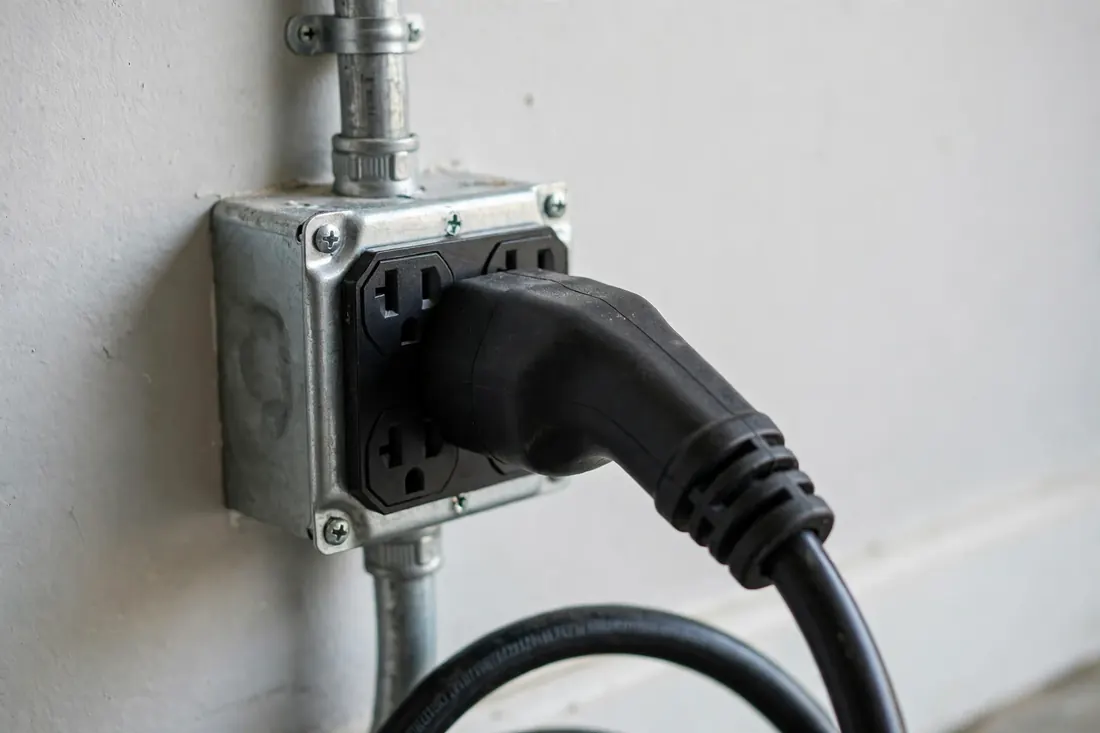
Level 1 charging uses a standard household outlet. It is the slowest form of charging and it can work for drivers who travel short distances each day, have long overnight parking windows, and can reliably plug in every night. Many new EV drivers start with Level 1 to learn their routine. Its advantages are simplicity and the fact that many homes already have an outlet near parking. Its limits become clear when your commute grows, when you share a vehicle, when cold or hot weather increases energy use, or when you return home with a low charge and need the vehicle again soon.
Level 2 charging uses a dedicated higher-voltage circuit and a purpose-installed charger or wall-mounted unit. It adds range in hours rather than across a full day, which changes how flexible your schedule can be. For a typical household, Level 2 supports longer commutes, weekend trips with quicker turnaround, two-vehicle households that rotate charging, and drivers who prefer to charge less often but for more range each session. It is also the level most commonly planned for workplaces and multifamily properties where vehicles are parked for several hours and drivers expect a meaningful charge during that time.
Choosing between them is not only about speed. Consider how many miles you drive on your heaviest regular day, not just your average day. Consider whether you can charge at work or whether home must cover nearly all of your charging. Consider your panel capacity and the distance between your panel and your parking spot, which affects installation planning. Consider whether a second EV is likely in the household in the next few years. A local installer can walk through these factors with you and explain, in plain terms, what Level 2 installation would involve at your property compared with continuing on Level 1 for now.
There is also a faster category used mainly at public and commercial corridor sites, often called DC fast charging. That equipment operates at a very different scale, cost and electrical requirement than home charging and is not the focus of the home services on this site. For most homeowners reading this page, the practical decision is Level 1 for light, patient charging, Level 2 for a dependable everyday home setup, and a conversation about load management or panel work if your home needs it to support Level 2 safely.
EV Charger Installation by City
Pick your metro for a guide researched from that city's own utility programs, permit process and housing stock — not a generic template.



Why Permits, Inspection and Electrical Capacity Matter
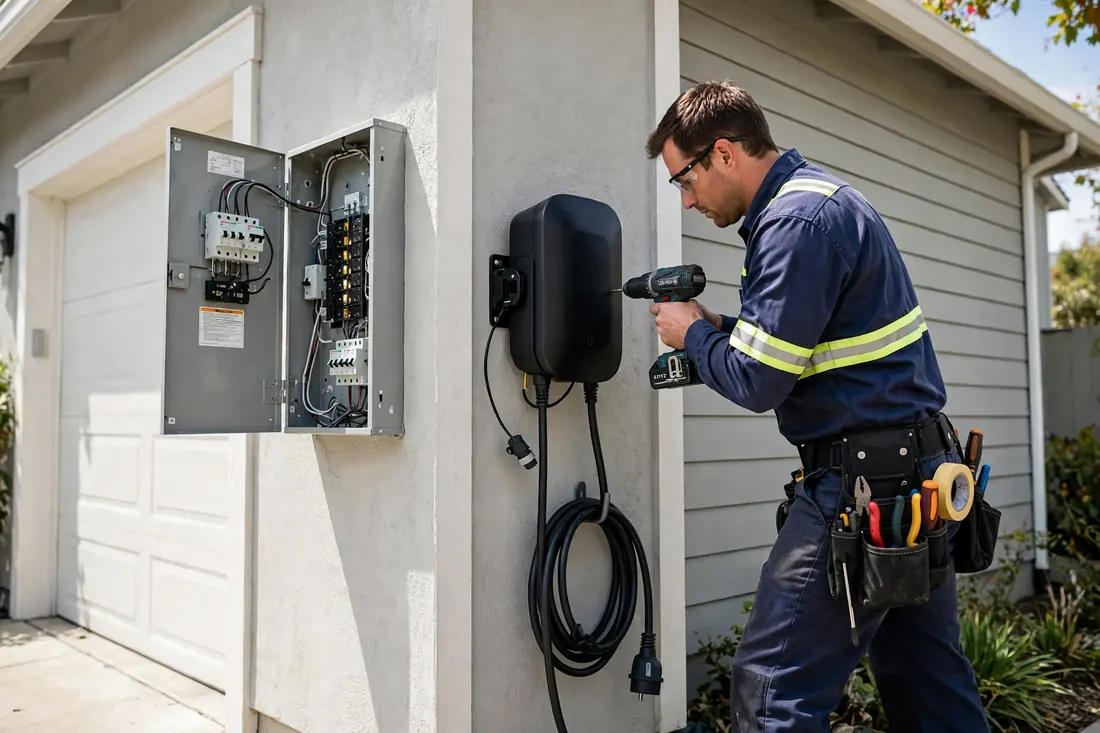
A charger installation is electrical work, and electrical work is regulated for a reason. Permits create a record that the work was planned to local code, and inspection verifies that the finished installation was completed as approved. Requirements vary by city, county and state: some jurisdictions treat a charger circuit like other major electrical additions, others have streamlined processes for residential charging, and commercial projects typically involve additional plan review. Skipping this step can create problems later when you sell the home, file an insurance claim, add more electrical load or need warranty support for connected equipment.
Electrical capacity is the other half of the same conversation. Your panel distributes power to everything in the home. A charger running for several hours is a sustained load, not a brief appliance cycle, so the installation must be sized with that duration in mind. An installer will consider the panel rating, existing major loads, the chosen charger settings and whether load management can safely share capacity. When a panel is already near its limit, the responsible answer may be a panel upgrade, a subpanel or a managed charging configuration rather than simply adding the largest circuit possible.
Permits and capacity also protect the value of the work itself. A documented, inspected installation with a correctly sized circuit is easier for a future electrician to service, easier for a buyer to understand during a home sale, and clearer for a property manager maintaining records across multiple units or sites. For businesses, documentation matters even more because multiple stakeholders, insurers, tenants and visitors may rely on the same charging infrastructure.
Because rules differ across our 15 metros, the city pages on this site describe the permit and utility context for each area based on local sources. Use that information to prepare your questions, and rely on your local installer and your local authority having jurisdiction for the final requirements on your specific project. That combination, researched local information plus a licensed local professional for the actual work, is how a nationwide site stays useful without pretending one rule applies everywhere.
Planning Your Installation: Location, Routine and Future Needs
The most satisfying home charging setups are planned around daily life. Start with where the vehicle actually parks most nights, not where you wish it parked. Measure or estimate the distance from that spot to your electrical panel, note whether the route passes through finished walls, a crawl space, an attic or an exterior wall, and think about how the cable will reach the vehicle charge port without stretching across walkways. Small placement decisions, such as mounting height, which side of the garage the charger sits on, and how the cable is stored, affect every single charging session for years.
Next, think about your routine. Do you arrive home at a consistent time? Does your utility encourage charging during certain hours? Do two drivers share one charger on alternating nights? Do you take frequent weekend trips that benefit from a faster turnaround on Friday evening or Sunday night? Your answers shape charger settings, scheduling features and whether a single charger is enough or whether the electrical plan should anticipate a second unit later, even if you only install one today.
Outdoor installations deserve extra planning. Weather rating, sun and heat exposure, rain and snow, driveway layout and security all influence equipment choice and mounting. In hot-climate metros such as Phoenix, Las Vegas, Miami and Tampa, heat management and shaded placement can matter. In wetter or colder metros such as Seattle, Portland, Chicago and Denver, weather sealing, cable handling in winter and safe footing around the charger are part of good design. City pages explore these regional factors in more detail.
Finally, think ahead. A home you plan to keep for many years, a growing household, a future second EV, a home workshop or an accessory dwelling can all change your electrical needs. Sharing those plans during the first conversation helps an installer design conduit runs, panel work and charger placement that leave sensible options open. Good planning does not mean building everything at once. It means the work you do today does not block the work you are likely to want tomorrow.
National Coverage: 15 Metros, One Clear Starting Point
EV Charger Installers USA currently covers 15 metro areas: Los Angeles, California; Houston, Texas; Phoenix, Arizona; Atlanta, Georgia; Miami, Florida; Dallas, Texas; Austin, Texas; Seattle, Washington; Denver, Colorado; San Diego, California; Chicago, Illinois; Las Vegas, Nevada; Charlotte, North Carolina; Tampa, Florida; and Portland, Oregon. Each metro has its own city page with locally researched information, and each city page connects to the same six core services so you can move between local context and service detail without starting your search over.
These metros were chosen to span different regions, housing types and driving patterns: dense coastal cities, fast-growing Sun Belt suburbs, cold-weather markets, hot-climate markets, and areas with a mix of single-family homes, townhomes, condos and multifamily properties. That range is the point of a nationwide resource. A condo owner in Miami navigating building approval, a homeowner in Austin planning a garage charger for a long suburban commute, and a small business in Chicago adding workplace charging all need the same clear process, applied to very different local conditions.
Florida readers should note the Orlando exception. Orlando is served by a dedicated sister site, EV Charger Installation in Orlando, FL, built specifically for that city. Tampa is covered here on the nationwide site, and Miami is covered here as well. If you are unsure which resource fits your address, start with the city closest to where the charger will actually be installed, because permit and utility information follows the property location, not mailing preferences or where you bought the vehicle.
Coverage may expand over time based on demand and on the ability to research each new area properly. We would rather cover 15 metros with genuinely local information than list hundreds of place names with no substance behind them. Choose your city, read the local page, review the service that matches your project, and when you are ready, reach out so a local installer can take the next step with you.
Recent Installation Work
Charging in Orlando, Florida?
Orlando has its own dedicated site with neighborhood-level guides for Central Florida: EV Charger Installation in Orlando, FL.